Published
The Short Answer
- —Laser hair removal is uncomfortable, not painful, for most people. The classic description is a rubber-band snap against the skin followed by brief warmth.
- —Each pulse lasts a fraction of a second. There is no lingering pain between pulses, and most sessions are over in 10 to 60 minutes depending on the area.
- —Sensation varies by body area. Bony and thin-skinned spots like the upper lip and bikini line feel sharper; legs, arms, and underarms are usually easy.
- —Modern devices use built-in cooling that takes the edge off each pulse, and numbing cream is an option for sensitive areas.
- —Discomfort typically decreases over your treatment series as fewer active hair follicles remain to absorb the laser's energy.
What Laser Hair Removal Actually Feels Like
Ask ten people “does laser hair removal hurt?” and you’ll hear the same image again and again: a small rubber band snapped lightly against the skin, with a quick flash of heat behind it. The sensation arrives with each pulse of the laser, peaks instantly, and is gone before the next pulse lands. There is no cutting, no pulling, and nothing that continues to ache once the device moves on.
The reason it stings at all comes down to how the treatment works. The laser sends concentrated light energy into the pigment, or melanin, in the hair shaft. That energy travels down to the hair follicle and converts to heat, disabling the follicle’s ability to grow new hair. The heat is the point, and the brief snap you feel is simply that heat reaching its target. Skin around the follicle is protected by the device’s cooling system, which chills the surface before and during each pulse.
Compared to waxing, most patients find laser noticeably easier. Waxing rips hair out at the root across an entire strip of skin at once; laser treats follicles with light, one quick pulse at a time, without traction on the skin. We’ve compared the two approaches in detail in our laser hair removal vs. waxing breakdownif you’re weighing both options.
Pain by Treatment Area
Where you’re treated matters more than almost anything else. Skin thickness, hair density, and nerve density all change how a pulse feels. Here’s how common areas typically compare, keeping in mind that everyone’s tolerance is different:
| Area | Typical Sensation | Why |
|---|---|---|
| Legs and arms | Mild. Many patients rate it 1–2 out of 10. | Thicker skin, fewer nerve endings, and finer hair in many spots mean less energy is absorbed near the surface. |
| Underarms | Mild to moderate. Quick snaps, over in minutes. | Hair is dark and coarse (which the laser targets efficiently) but the area is small, so sessions are short. |
| Bikini line | Moderate. The most commonly cited 'sharp' area. | Coarse, dense hair absorbs more light energy, and the skin is thin and sensitive. |
| Upper lip and face | Moderate but very brief. | Thin skin close to bone makes pulses feel sharper, but the area is so small that treatment takes only a few minutes. |
| Back and chest | Mild to moderate, longer sessions. | Sensation is manageable, but larger surface area means more total pulses per session. |
A useful rule of thumb: the places where hair is coarsest and skin is thinnest feel the most, and they are also usually the smallest areas, so the sharper moments are over quickly.
What Makes It Hurt More or Less
Hair Color and Skin Tone
Dark, coarse hair absorbs laser energy readily, which makes treatment effective but can make individual pulses more noticeable. Finer or lighter hair absorbs less. Skin tone matters for device settings: the right wavelength and energy level keep treatment safe and comfortable across complexions. Aesthetic Collective treats all skin types, and your provider calibrates settings to your skin rather than running a one-size-fits-all protocol.
Device Cooling
Modern laser platforms chill the skin’s surface with a cooled tip or a burst of cold air immediately before each pulse. That cooling does a lot of the comfort work, blunting the heat sensation before it registers. It’s a big part of why patients who tried laser hair removal years ago often find current sessions easier than they remember.
Timing and Prep
Shaving the area a day before your appointment means the laser’s energy goes to the follicle below the skin instead of burning surface hair, which both improves results and reduces sting. Avoiding sun exposure beforehand keeps skin calm and lets your provider use effective settings comfortably. Some patients also find treatments feel sharper right before their menstrual cycle, when skin sensitivity peaks, so scheduling around that can help.
Numbing Options
For sensitive areas, a topical numbing cream applied before your session can take the edge off. This is worth discussing at your consultation rather than improvising at home, since product choice and timing matter.
Your First Appointment in West Des Moines: What to Expect
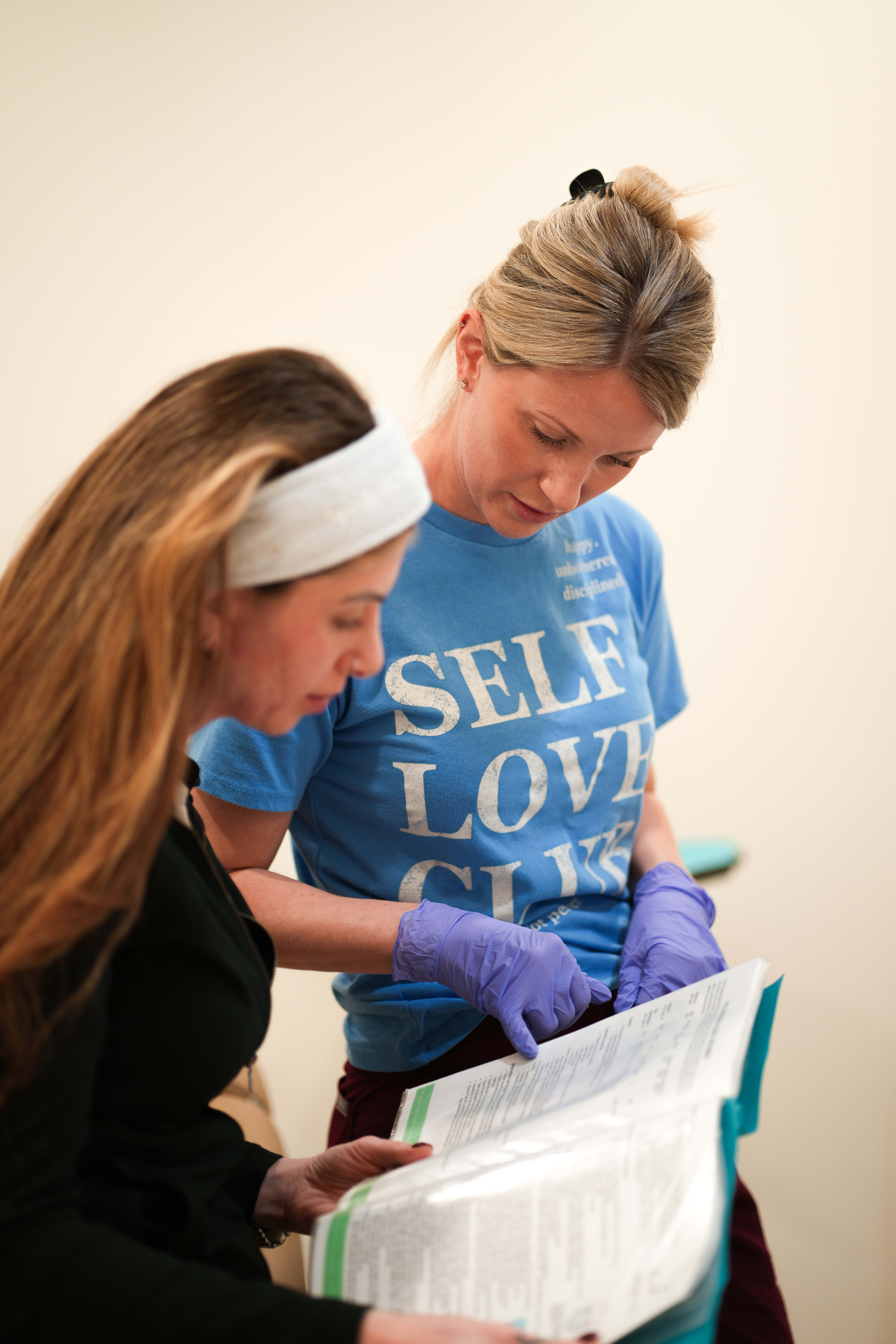
First visits at Aesthetic Collective in West Des Moines start with a conversation, not a laser. Your provider reviews your hair and skin type, your health history, and the areas you want treated, then explains the plan: how many sessions to expect, how they’re spaced, and what each one involves. A small test patch lets you feel the sensation on your own skin before committing to a full area, which answers the “does it hurt?” question more honestly than any article can.
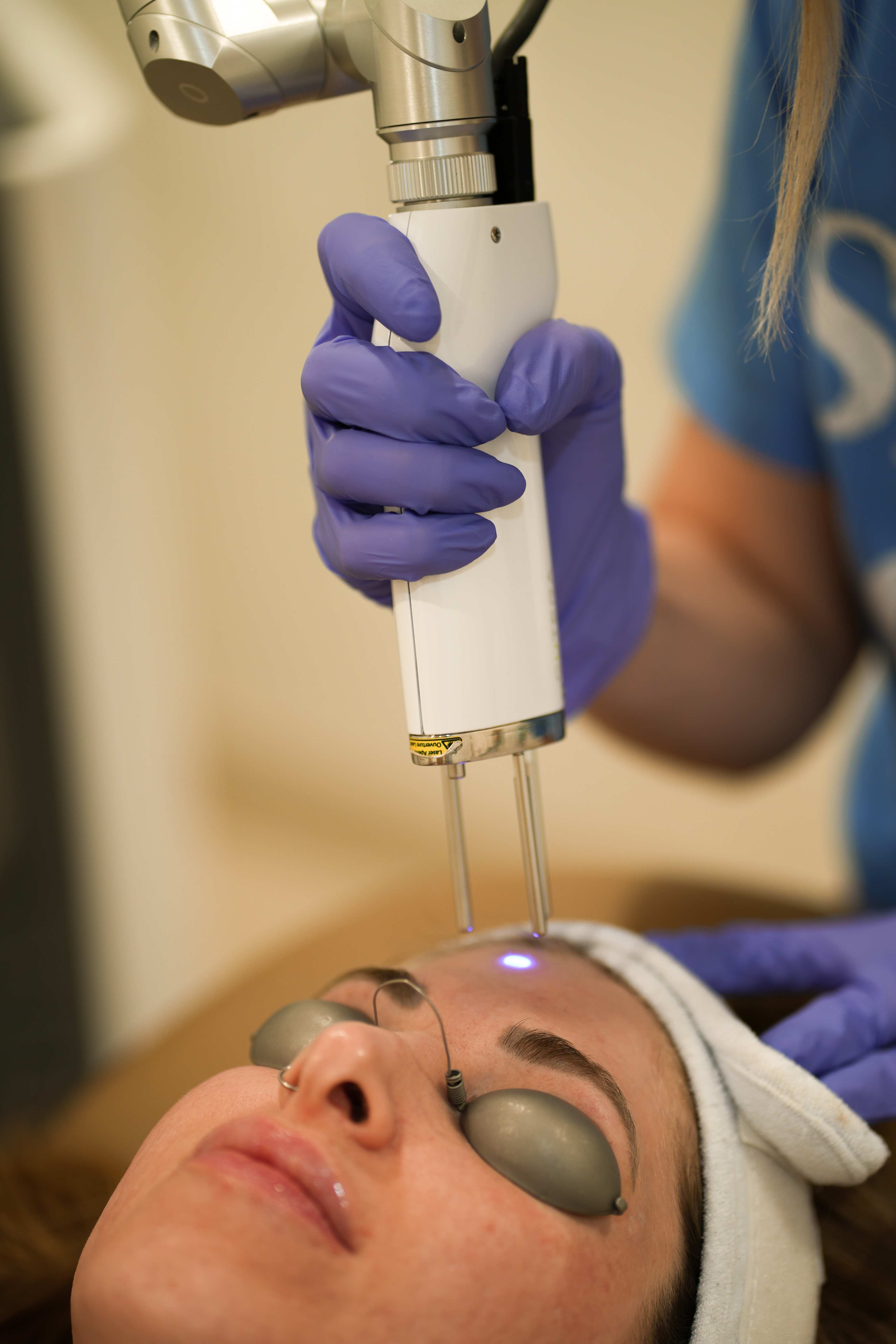
The treatment itself is faster than most first-timers expect. You’ll wear protective eyewear, the provider glides the handpiece across the area in overlapping passes, and each pulse delivers that quick snap-and-warmth. Underarms are often done in about ten minutes. Patients from Clive and across the metro regularly fit sessions into a lunch break. You can read more about the technology and treatment areas on our laser hair removal service page, or browse the full menu of laser treatments we offer.
Afterward: What Your Skin Feels Like
Expect mild redness and a feeling similar to light sunburn for a few hours, sometimes with small bumps around the follicles. A cool compress and a gentle moisturizer can help. For the first day or so, skip hot tubs, saunas, and intense workouts, and keep the area protected with sunscreen when you’re outside. Most people return to normal activities immediately; the aftercare here is about comfort and skin protection, not recovery.
Treated hairs shed over the following one to two weeks, and regrowth comes in finer and sparser with each session. A typical plan runs several sessions spaced weeks apart, because the laser only disables follicles in their active growth phase and your hair cycles through phases on its own schedule. Results vary from person to person based on hair color, thickness, and hormones, which is why a personalized plan matters more than a generic package.
Why Winter Is a Smart Time to Start
There’s a practical reason laser hair removal consultations pick up in the colder months. The treatment works best on untanned skin, and a full series takes a few months to complete. Starting in winter means your sessions happen while sun exposure is naturally low, and the series can wrap up before warm weather arrives. If smooth skin by summer is the goal, the schedule works backward from there, and the math favors starting now.
Frequently Asked Questions
How much does laser hair removal hurt on a 1-to-10 scale?
Most patients describe it as a 2 to 4 out of 10: a quick rubber-band snap with a flash of warmth that fades in seconds. Sensitive areas like the bikini line or upper lip can briefly reach a 5 or 6, while legs and arms often barely register. Pain tolerance varies from person to person, so your own experience may sit a little above or below those numbers.
Does laser hair removal hurt less with each session?
Usually, yes. Each session leaves fewer active follicles for the laser to target, so later appointments tend to involve fewer noticeable pulses. Many patients say the first session is the most intense and that the rest feel progressively milder, though results vary with hair density and the area being treated.
Can I use numbing cream before laser hair removal?
Often, yes, for sensitive areas like the bikini line or face. Ask your provider first rather than applying something on your own, because the product and timing matter and some creams can interfere with treatment. At your consultation at Aesthetic Collective, the provider can walk you through comfort options for the specific area you want treated.
How long does a laser hair removal session take?
Small areas like the upper lip or underarms often take about 10 to 15 minutes. Larger areas like full legs or the back can take 45 minutes to an hour. Most first-timers are surprised by how fast the appointment goes; the consultation and prep usually take longer than the laser itself.
What should I avoid before a laser hair removal appointment?
Skip waxing, plucking, and threading for several weeks beforehand, since the laser needs the hair's root in place to work. Shave the area a day before your session so the energy reaches the follicle instead of surface hair. Avoid tanning and significant sun exposure in the weeks leading up to treatment, and come in with clean, product-free skin.
The Bottom Line
Does laser hair removal hurt? A little, briefly, and less than most people fear. The snap of each pulse is real, but it’s momentary, it’s blunted by built-in cooling, and it tends to fade with every session as fewer follicles remain. Weigh that against years of razors, wax appointments, and ingrown hairs, and the few minutes of rubber-band snaps start to look like a fair trade.
If you’re still on the fence, the easiest next step is a conversation. Book a free consultation at Aesthetic Collective in West Des Moines, feel a test pulse on your own skin, and decide from there.