Published
The Short Answer
- —Common low estrogen symptoms include hot flashes, night sweats, irregular or missed periods, sleep problems, mood changes, brain fog, fatigue, vaginal dryness, and weight that shifts toward the midsection.
- —Estrogen naturally declines during perimenopause and menopause, but levels can also drop earlier due to surgery, intense training, low body weight, or certain medical conditions.
- —Many of these symptoms overlap with thyroid problems, iron deficiency, and chronic stress, which is why blood work matters more than guessing.
- —Diagnosis starts with a symptom review and lab testing, typically estradiol and FSH alongside a broader health panel.
- —When labs confirm low estrogen, medically supervised hormone replacement therapy can help relieve symptoms. Plans are personalized and monitored over time, and results vary.
What Does Estrogen Actually Do?
Estrogen tends to get introduced as “the female reproductive hormone,” which undersells it considerably. Yes, it regulates the menstrual cycle. It also helps govern sleep quality, mood stability, memory and concentration, skin elasticity, bone density, how the body distributes fat, and even how blood vessels behave, which is why a drop in estrogen can produce hot flashes.
Because estrogen touches so many systems, low levels rarely announce themselves with one clean, obvious symptom. Instead, the effects show up scattered across the body: sleep gets lighter, energy dips, moods swing harder, the scale creeps despite unchanged habits. Taken one at a time, each symptom has a dozen plausible explanations. Taken together, they form a pattern worth testing for.
Low Estrogen Symptoms: What to Watch For
Signs of low estrogen vary from person to person, in both which symptoms appear and how strongly. These are the ones providers see most often.
Physical Symptoms
- —Hot flashes and night sweats, the classic signs most people recognize.
- —Irregular, lighter, or missed periods.
- —Vaginal dryness and discomfort during intimacy.
- —Headaches or migraines that cluster around certain points in your cycle.
- —Dry skin, thinning hair, and more noticeable fine lines as collagen support declines.
- —Joint aches and stiffness without an obvious injury.
- —Weight gain that concentrates around the abdomen, even when eating and exercise haven't changed.
Mood, Sleep & Cognitive Symptoms
- —Trouble falling asleep or staying asleep, often made worse by night sweats.
- —Fatigue that doesn't improve much with rest.
- —Brain fog: slower recall, losing your train of thought, reading the same sentence twice.
- —Mood swings, irritability, or anxiety that feels new or amplified.
- —Lower interest in sex.
The “Just Part of Getting Older” Myth
Here is the myth worth busting: many women spend years assuming this cluster of symptoms is simply what aging feels like, something to push through rather than investigate. Age does change the body, but “common” is not the same as “nothing can be done.” When fatigue, poor sleep, mood changes, and weight shifts arrive together in your 40s or 50s, hormones are a legitimate medical question with a measurable answer. A blood test either shows declining estrogen or it doesn’t. Either result is useful, because if your hormones are fine, your provider knows to look elsewhere.
What Causes Low Estrogen?
| Cause | What's Happening | Who It Typically Affects |
|---|---|---|
| Perimenopause | The ovaries gradually produce less estrogen, often with erratic swings before the decline settles. | Most commonly women in their 40s, though it can begin in the late 30s. |
| Menopause | Estrogen production drops to consistently low levels after periods stop. | The average age in the U.S. is about 51, but timing varies widely. |
| Surgical or induced menopause | Removal of the ovaries, chemotherapy, or radiation causes an abrupt drop rather than a gradual one, so symptoms often hit harder. | Anyone who has had these procedures or treatments, at any age. |
| Primary ovarian insufficiency | The ovaries stop functioning normally before age 40. | A smaller group of younger women, often discovered during fertility evaluations. |
| Intense exercise or low body weight | The body downshifts hormone production when energy availability runs chronically low. | Endurance athletes and those with restrictive eating patterns. |
The Cleveland Clinic’s overview of low estrogen and the Mayo Clinic’s perimenopause guide both make the same point: symptoms deserve evaluation, not assumption. Pituitary and thyroid conditions can also disrupt estrogen signaling, another reason testing usually covers more than a single hormone.
How Low Estrogen Is Diagnosed
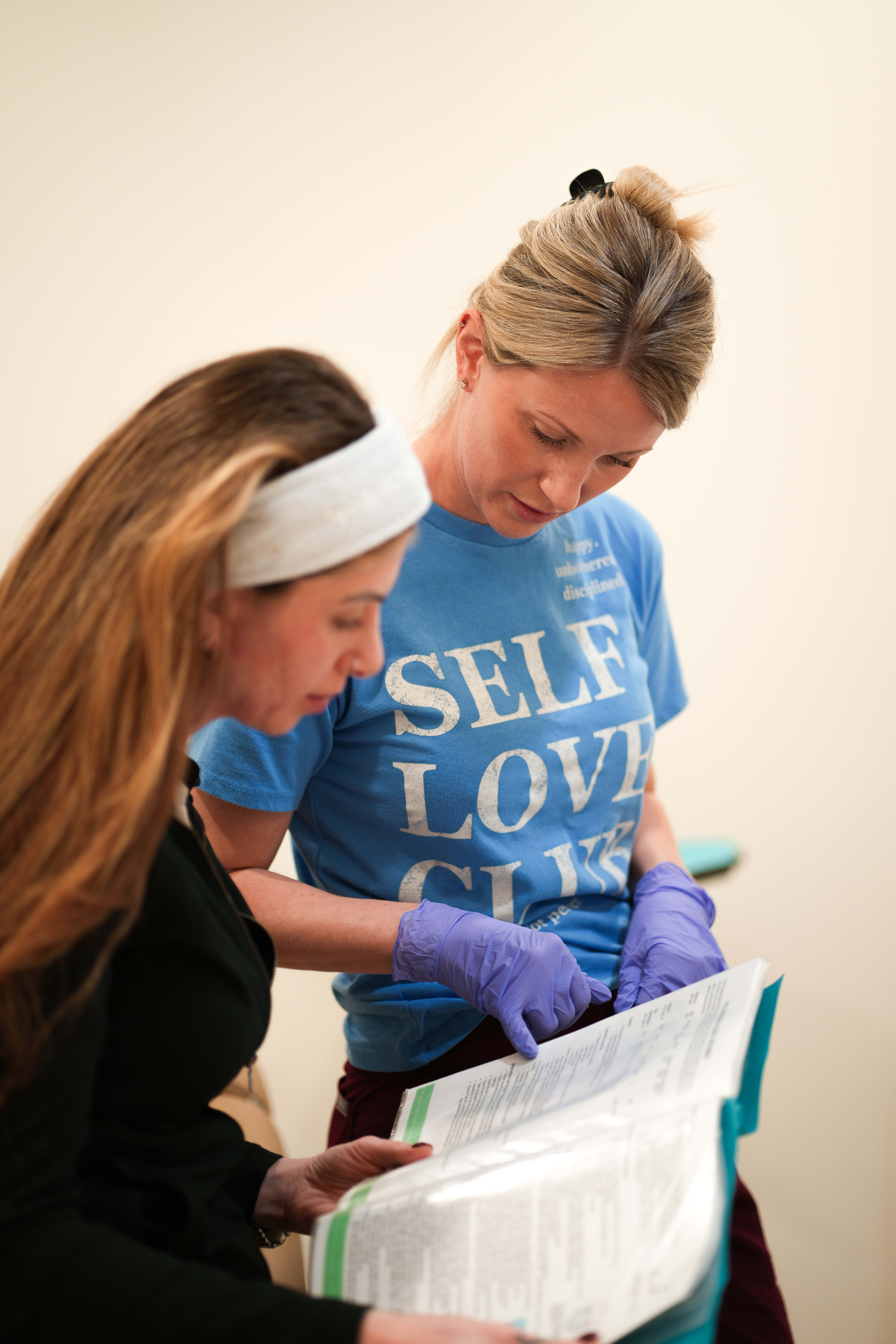
There is no reliable way to diagnose a hormone imbalance from symptoms alone, because the symptom list overlaps heavily with thyroid dysfunction, anemia, sleep apnea, depression, and plain chronic stress. That is why the process at Aesthetic Collective in West Des Moines starts with two things: a detailed conversation and comprehensive blood work.
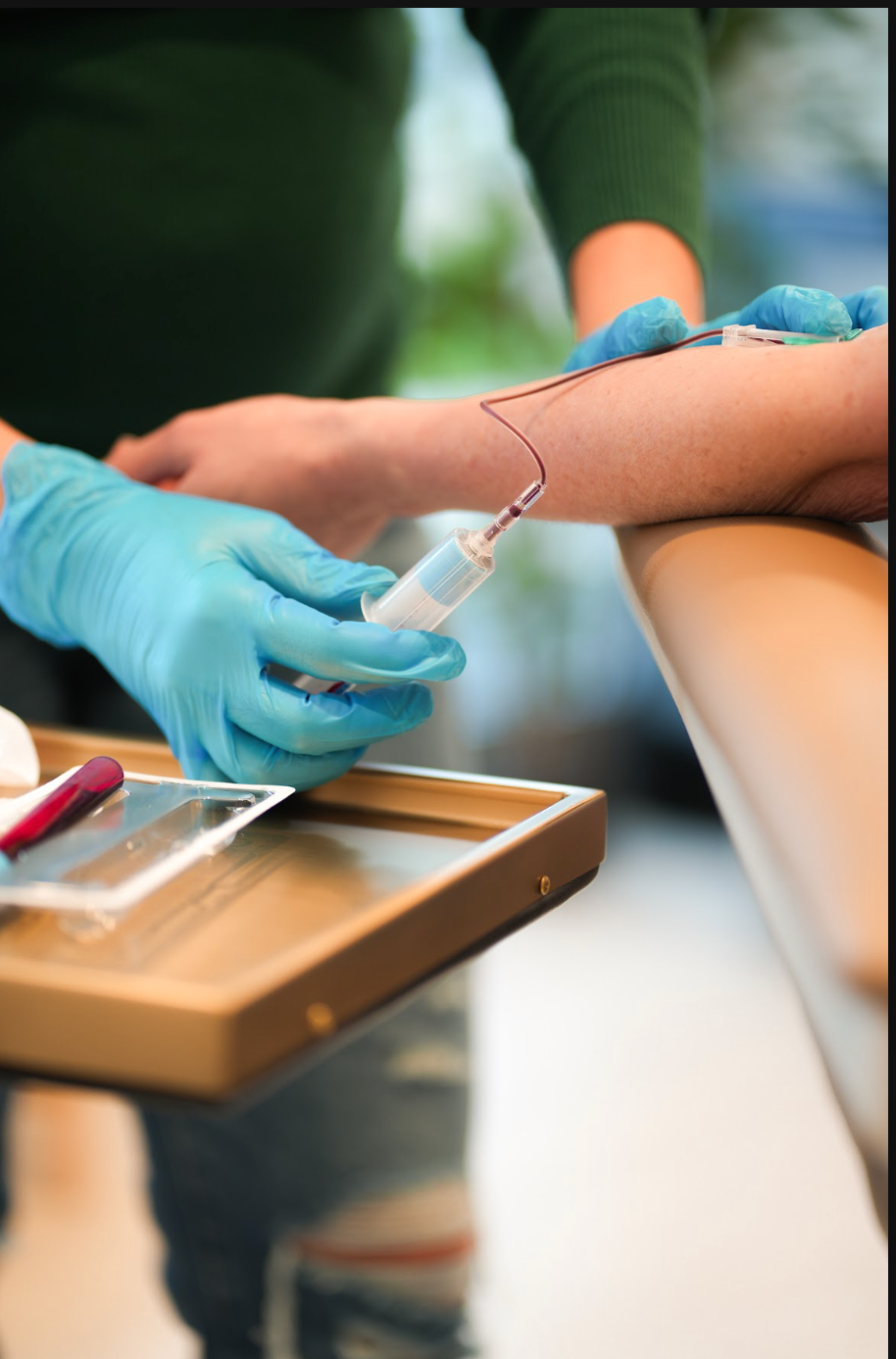
The lab panel typically includes estradiol, the primary form of estrogen in your reproductive years, along with FSH, which rises as the ovaries slow down. Depending on your symptoms and history, your provider may also look at thyroid function, metabolic markers, and other hormone levels so nothing gets blamed on estrogen that another system is actually causing. One number is never read in isolation; levels fluctuate across the cycle and across the perimenopause transition, so results are interpreted alongside your symptoms and health history.
If you’ve been searching for hormone testing near you in the Des Moines metro, this is exactly what an initial hormone therapy consultation covers: symptom review, health history, lab orders, and a follow-up to walk through what the results actually mean.
What Can Help: Treatment Options for Low Estrogen
Medically Supervised Hormone Replacement Therapy
When lab results and symptoms line up, medically supervised hormone replacement therapy (HRT) can help restore estrogen to a level where symptoms ease. Many patients ask about bioidentical hormone replacement therapy (BHRT), which uses hormones structurally identical to the ones your body produces. Both approaches are built the same way at Aesthetic Collective: your plan is based on your labs, your symptoms, and your health history, not a template, and it is monitored and adjusted through regular follow-up visits and repeat lab work.
What does improvement look like? Many women report better sleep, fewer hot flashes, steadier moods, and more consistent energy as treatment takes effect, though results vary and changes tend to arrive gradually over weeks rather than overnight. Hormone therapy is an ongoing process rather than a one-time fix, which is why supervision matters: the goal is the lowest effective support for your body, reassessed as your needs change.
Lifestyle Support
Treatment works best alongside the unglamorous fundamentals: consistent sleep timing, strength training to protect bone and muscle, enough protein, and managing the stress load where possible. For some women with mild symptoms, lifestyle adjustments meaningfully improve how they feel. For others, no amount of clean eating fixes a measurable hormone deficit, and pretending otherwise just delays relief. Your lab results help sort out which camp you’re in. Our broader functional medicine and wellness services take the same root-cause approach to energy, metabolism, and weight.
When to Book a Consultation
A good rule: if symptoms have persisted for more than a few months, show up as a cluster rather than a one-off, or have started interfering with work, sleep, or relationships, it’s time to test rather than tough it out. Patients visit us from across the metro, including Johnston, and the first appointment is a conversation and a lab draw, not a commitment to treatment. If you’re comparing providers, our guide to choosing a med spa in West Des Moines covers the credentials and questions worth asking anywhere you go.
Frequently Asked Questions
What are the first signs of low estrogen?
Early signs often include irregular periods, sleep that feels lighter or more broken, night sweats or hot flashes, mood swings, vaginal dryness, and fatigue that rest doesn't fix. Many women also notice brain fog or new difficulty concentrating. Because these symptoms build gradually, they're easy to attribute to stress or a busy season of life.
Can low estrogen cause weight gain and fatigue?
It can contribute to both. Estrogen influences how the body stores fat and regulates energy, so declining levels are often associated with weight that settles around the midsection and a persistent, dragging tiredness. Lab testing is the only way to know whether hormones are actually part of the picture, since thyroid issues, iron deficiency, and sleep disorders can cause similar symptoms.
How do I find out if my estrogen is low?
Through a symptom review and blood work. A provider typically checks estradiol along with related markers such as FSH, and often a broader panel covering thyroid and metabolic health, so one number is never read in isolation. At Aesthetic Collective in West Des Moines, hormone evaluations start with comprehensive lab testing and a review of your health history.
What is the treatment for low estrogen?
When labs and symptoms point to low estrogen, medically supervised hormone replacement therapy (HRT), including bioidentical options (BHRT), can help restore more comfortable levels. Treatment is personalized to your labs and health history, monitored over time, and adjusted as your body responds. Results vary from person to person, which is why ongoing follow-up matters.
Does low estrogen only happen during menopause?
No. Perimenopause, the transition phase before menopause, can begin in the late 30s or 40s and is a very common time for estrogen to fluctuate and decline. Low estrogen can also result from surgical menopause, primary ovarian insufficiency, very intense exercise or low body weight, and certain medical treatments.
You Don’t Have to Settle for “That’s Normal Now”
Low estrogen symptoms are common, under-discussed, and very often dismissed, including by the people experiencing them. But common doesn’t mean untreatable, and feeling persistently worn down is not a personality trait you acquired at 45. It’s a question your blood work can help answer.
Book a consultationat Aesthetic Collective in West Des Moines and we’ll start with labs, listen to your full story, and build a medically supervised plan around what your body actually needs. No assumptions, no templates.