
Published
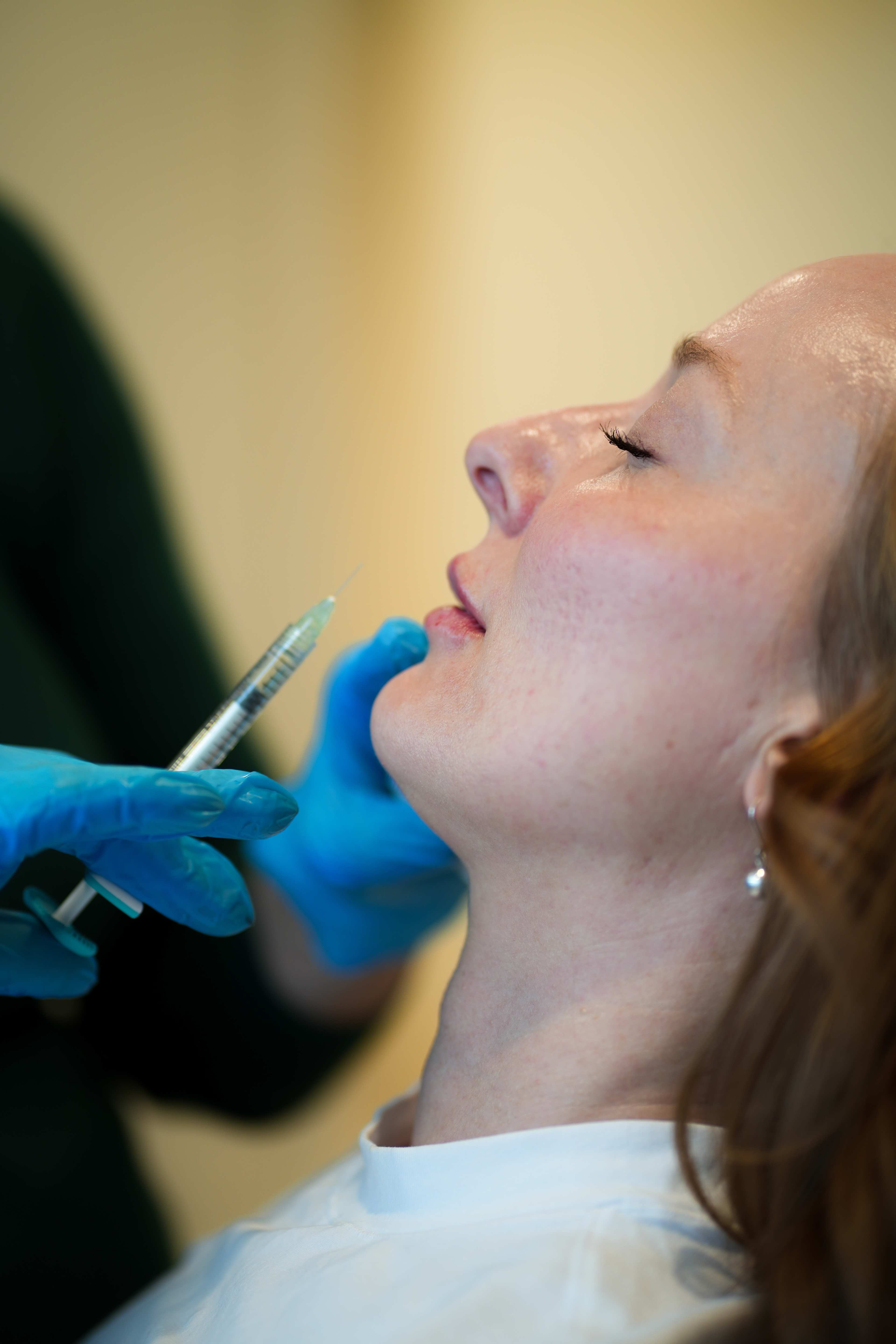
Lower face Botox uses targeted botulinum toxin injections to temporarily relax muscles around the mouth, chin, jawline, and sometimes the neck. It may soften certain wrinkles, reduce chin dimpling, or subtly change facial contours, but it cannot reproduce a surgical lift. Understanding which changes come from muscle activity—and which do not—is the starting point for realistic expectations. (plasticsurgery.org)
What can lower face Botox actually improve?
Lower face Botox can improve selected concerns caused by active muscles, including a pebbled chin, downward-pulling mouth corners, and some lines around the lips. Treatment works by reducing nerve signals that tell targeted muscles to contract. Its usefulness depends on whether muscle movement is genuinely contributing to the feature you want to change. (plasticsurgery.org)
This distinction matters when considering Botox for wrinkles. Lines that become more noticeable when you purse your lips or tense your chin may respond differently from creases that remain visible at rest. An examination should separate muscle-related changes from skin laxity, volume loss, and underlying facial structure rather than treating every line as the same problem. (pmc.ncbi.nlm.nih.gov)
“Botox” is a brand name, not a general name for every injectable. Botulinum toxin products relax muscles; they are not interchangeable with dermal fillers, which add volume. Ask your clinician to identify the proposed product and explain why it matches your concern. (cdc.gov)
Common treatment areas and their limitations
Chin dimpling and uneven texture
Chin Botox targets the mentalis muscle when excessive contraction creates a puckered or cobblestone appearance. Relaxing this muscle can make the chin surface look smoother. It does not add chin projection or correct an underlying skeletal imbalance, so surface smoothing and structural enhancement are different goals. (pmc.ncbi.nlm.nih.gov)
Placement matters because the mentalis sits close to muscles controlling the lower lip. Unintended effects on neighboring muscles can alter lip position or mouth function. A careful assessment should therefore consider your chin at rest, during speech, and with facial expression—not just in a still photograph. (pmc.ncbi.nlm.nih.gov)
Lip flip and lines around the mouth
A lip flip relaxes part of the muscle surrounding the mouth, allowing the upper lip to roll outward slightly. This can make more of the lip visible without adding filler volume. The change is generally subtle, making it different from treatment intended to substantially increase lip fullness. (my.clevelandclinic.org)
The trade-off is functional: relaxing the lip muscle can temporarily make drinking through a straw, whistling, or controlling liquids more difficult. Discuss these possibilities before treatment, especially if your work or hobbies depend on precise lip movement. The best-looking result is not necessarily the best choice if it interferes with activities you value. (my.clevelandclinic.org)
Mouth corners and jaw width
Selected injections may reduce the downward pull of muscles at the mouth corners. Separately, treating enlarged masseter muscles can reduce muscle-related lower-face width over time. These are different forms of facial contouring, and neither should be presented as a universal way to reshape the jaw. (plasticsurgery.org)
For a useful consultation, describe the change you want rather than requesting a particular injection pattern:
- —Chin texture:“My chin bunches when I speak or close my lips.”
- —Lip appearance:“My upper lip becomes less visible when I smile.”
- —Resting expression:“The corners of my mouth look pulled downward.”
- —Jaw shape:“I want to understand what makes my lower face look wide.”
Does Botox for jowls work like a facelift?
Botox for jowls may provide a modest improvement when downward muscle pull contributes to the appearance of the jawline. It does not remove loose skin, reposition descended fat, or deliver the structural correction of facelift surgery. Significant jowling therefore needs a broader assessment than an injection-only treatment plan. (pmc.ncbi.nlm.nih.gov)
Relaxing selected lower-face and neck muscles can reduce downward tension in suitable patients. However, the phrase “non-surgical facelift” can suggest more lifting than Botox alone can achieve. Ask what specific feature is expected to improve and whether that improvement should be visible at rest, during movement, or both. (pmc.ncbi.nlm.nih.gov)
In the United States, BOTOX Cosmetic has an FDA-approved indication for temporary improvement of moderate to severe platysma bands associated with muscle activity. That indication is not a blanket approval for jowl lifting, lip flips, chin treatment, or masseter slimming. Ask whether your proposed use is off-label and what evidence supports it. (dailymed.nlm.nih.gov)
What happens before, during, and after treatment?
Treatment should begin with a medical consultation and assessment of your facial movement, followed by targeted injections if appropriate. The clinician should explain the intended benefit, important risks, alternatives, and follow-up arrangements. Many people return to ordinary activities afterward, although temporary injection-site changes can occur. (aad.org)
Before your appointment
Bring a complete medication list and details of previous injectable treatments, including the product and treatment date if known. Disclose swallowing or breathing problems, neuromuscular conditions, allergies, pregnancy, and breastfeeding. Infection at the planned injection site and certain allergic reactions are contraindications; other medical circumstances require individualized assessment. Do not stop prescribed medication simply to prepare for cosmetic treatment without advice from its prescriber. (dailymed.nlm.nih.gov)
Use the consultation to clarify the plan:
- Identify the cause. Ask which muscle or anatomical feature is responsible for your concern.
- Define the expected change.Request a realistic explanation rather than a promise of a “lift.”
- Discuss function. Ask about effects on smiling, speaking, drinking, and chewing relevant to the proposed area.
- Confirm follow-up. Find out when results will be reviewed and whom to contact with concerns.
- Request the full cost. Clarify what is included and whether review appointments carry additional charges.
Recovery and developing results
Botulinum toxin does not produce its final effect immediately. General cosmetic results often begin appearing within several days, while a lip flip may take about two weeks to settle. Avoid judging the outcome too early or arranging first-time treatment immediately before an important event. (aad.org)
Follow the treating clinician’s aftercare instructions, including advice about exercise and handling the treated area. Avoid rubbing or massaging injection sites unless specifically instructed otherwise. If something feels wrong, contact the practice rather than relying on social-media reassurance. (aad.org)
Safety deserves more attention than the treatment trend
Temporary redness, swelling, soreness, and bruising can occur after injections. In the lower face, unwanted muscle weakness may also affect symmetry or mouth function. These possibilities make anatomical knowledge and experience with the specific treatment area especially important. (aad.org)
Botulinum toxin products carry a boxed warning about effects spreading beyond the injection area. Seek immediate medical attention for difficulty breathing, swallowing, or speaking after treatment. Do not wait for a routine follow-up appointment if these symptoms develop. (dailymed.nlm.nih.gov)
Choose a licensed healthcare professional with appropriate training, and confirm that treatment will use an FDA-approved product obtained through an authorized source. The CDC recommends asking about both the provider’s qualifications and the product. A low price is not a substitute for those checks. (cdc.gov)
Plan for temporary results, not a permanent change
Cosmetic botulinum toxin effects commonly last around three to four months, although duration varies by treatment area and individual response. A lip flip may wear off sooner than some other facial treatments. Ask for an area-specific estimate rather than assuming every lower-face injection follows the same timeline. (aad.org)
Before committing, consider both the first appointment and possible ongoing maintenance. Ask the practice how it assesses returning muscle activity and whether further treatment remains appropriate. Comparing standardized photographs at rest and during expression can make that discussion more useful than relying on memory alone.
The takeaway: match the treatment to the cause
Lower face Botox is best understood as a targeted muscle treatment, not a catch-all solution for facial aging. It can address selected movement-related concerns, but its limits matter as much as its benefits. (plasticsurgery.org) Bring clear goals to a qualified clinician, ask about functional trade-offs, and choose a plan based on your anatomy rather than the name of a trending procedure.